Project Planning Filled Line Icons: A Modern Tool for Clear and Effective Communication
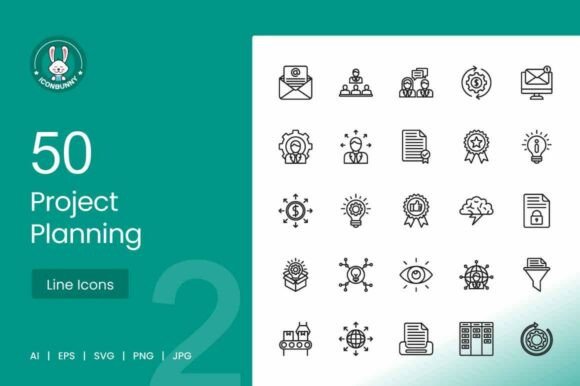
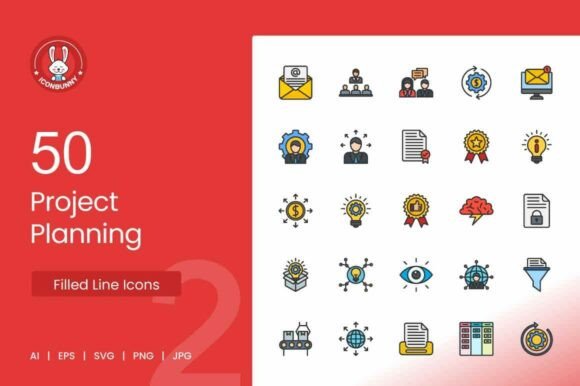
Project planning is a critical aspect of any business or creative endeavor. Whether you're managing a team, organizing a workflow, or designing a presentation, visual tools can make all the difference in conveying ideas clearly and efficiently. Enter Project Planning Filled Line Icons—a versatile set of 50 icons designed to represent key concepts in task management, scheduling, collaboration, and strategy. These icons are not just aesthetically pleasing; they are practical, scalable, and ideal for a wide range of applications.
From Gantt charts to timelines, checklists to resource allocation, these icons offer a consistent and professional look that enhances clarity and communication. They’re perfect for project management apps, business presentations, productivity tools, and more. But with so many options available, it's easy to make mistakes when choosing and using these icons. Let’s explore some common pitfalls and how to avoid them.
Common Mistakes When Choosing Project Planning Filled Line Icons
One of the most frequent errors people make is selecting icons without considering their context. For example, a filled line icon might look great in a dashboard, but if it doesn’t align with the overall design language of your project, it could create confusion. Always ensure the style matches your platform or application.
Another mistake is overlooking the importance of scalability. Some icons may look sharp at a large size but become pixelated when reduced. The Project Planning Filled Line Icons set includes high-resolution files (1024×1024 px) and vector formats like AI, EPS, and SVG, making them suitable for both digital and print use. Before downloading, verify that the file types and resolutions meet your needs.
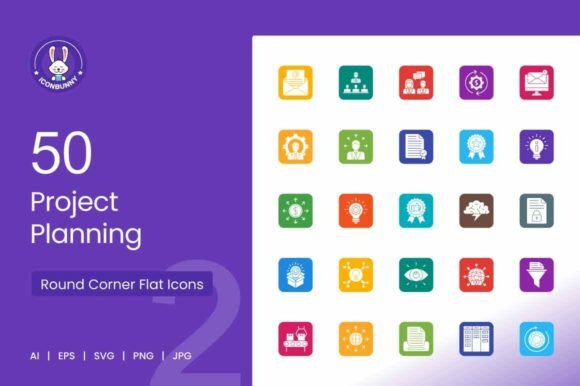
Some users also fail to consider the variety of styles available. While filled line icons are popular, other options like flat multicolor or round filled styles might be better suited for specific projects. Don’t assume one style works for everything—explore the different options to find what fits best.
How Mistakes Affect Usability and Quality
Choosing the wrong icon style can lead to poor usability. If an icon is too abstract or unclear, it may not communicate its intended meaning effectively. This can slow down decision-making or cause misunderstandings, especially in team environments where clarity is crucial.
Additionally, using low-quality icons can hurt the overall professionalism of your work. Poorly designed or non-scalable icons may appear unpolished, which can negatively impact client perception or user experience. This is especially important for designers, marketers, and entrepreneurs who rely on visuals to convey credibility and expertise.
Ignoring file compatibility is another common oversight. Not all design tools support the same file formats. If you download icons that aren’t compatible with your software, you may face unnecessary delays or have to convert files, which can affect quality. Always check that the icons you choose work with your preferred tools, such as Adobe Illustrator, Canva, or Figma.
Practical Tips for Better Choices
To avoid these issues, start by defining your needs. Are you creating a website, a mobile app, or a presentation? Each medium has different requirements. For instance, a web dashboard may need icons that load quickly, while a printed infographic may require higher resolution.
Take time to review the icon set before purchasing or downloading. Look at how each icon looks in different sizes and colors. Test them in your design software to see how they fit. This step can save you from last-minute changes or costly rework.
Consider the audience. If your project is for a general audience, simplicity and clarity should be priorities. If it’s for professionals, a more sophisticated style might be appropriate. Always keep the end-user in mind when selecting and applying icons.
What to Check Before Making a Decision
Before finalizing your choice, ask yourself a few key questions. Does the icon set include the specific elements you need? Are the file formats and resolutions suitable for your project? Is the style consistent across all icons? Do the icons work well with your existing design elements?
Also, check the licensing terms. Some icon sets may have restrictions on commercial use or require attribution. Make sure you understand the rights you’re getting, especially if you’re using the icons for a business or client project.
Finally, read reviews or seek recommendations. Other users may have encountered issues or found workarounds that could help you avoid similar problems. Community feedback can be a valuable resource when evaluating icon sets.
Conclusion: Make Informed Choices for Better Results
Project Planning Filled Line Icons offer a powerful way to enhance communication and organization in your projects. However, the benefits depend on how well you choose and apply them. By avoiding common mistakes and following practical advice, you can ensure that your icons contribute positively to your work.
Whether you're a designer, a project manager, or a business owner, taking the time to evaluate your icon choices can lead to better outcomes. With the right tools and approach, you’ll be able to create clearer, more professional, and more effective visual content that meets your goals and resonates with your audience.